Guide ·
What CBSE requires for your Composite Skill Lab
The deadline, the room, the subjects and the cost, in plain words, from CBSE's own documents.
By Samuel Joseph, Cretile · 7 min read
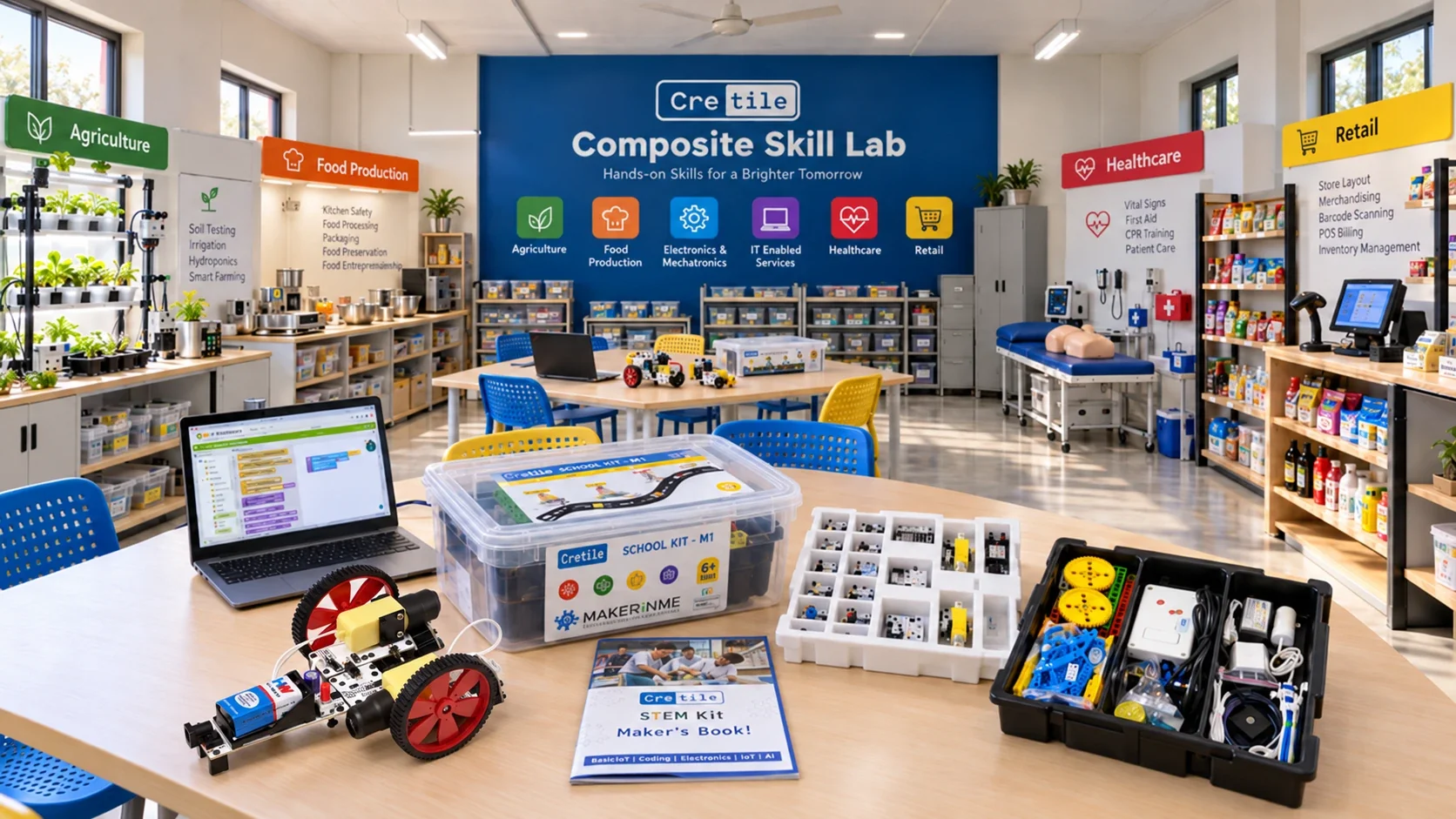
Every CBSE school needs a Composite Skill Lab: one room where students from Class 6 to 12 learn skill subjects by doing them. Schools already affiliated must have it by 22 August 2027. Schools applying for affiliation need it before they apply.
This guide covers what CBSE asks for and how to get there. Once you've picked your subjects, our equipment list is the shopping list.
22 Aug 2027 Deadline for affiliated schools
600 sq ft One room, or two of 400 sq ft
3 subjects One from each kind of work
₹3–6 lakh CBSE's estimate, with furniture
You have until 22 August 2027
CBSE made the lab compulsory in Circular Skill-75/2024, issued on 23 August 2024. Schools already affiliated got three years, which Circular Skill-13/2026 confirms as 22 August 2027. A school applying for affiliation needs the lab, with its equipment, before it applies.
That's less time than it sounds. Choosing subjects, preparing the room, buying equipment and training teachers can take a full term, and the lab should be in use by the deadline, not just furnished. Aim to have the room ready and the equipment ordered by early 2027.
The lab is one part of skill education
CBSE's guidelines list five things a school needs for skill education in Class 6–10. The lab is one of them:
- A curriculum from CBSE, matched to NCERT's skill textbooks (called Kaushal Bodh for Class 6–8)
- Teachers chosen for skill education, and trained
- 110 hours a year in the timetable for Class 6–10
- The lab itself: the room, furniture, tools and safety set-up
- Time with real workplaces: visits, guest experts and internships
In the lab, Class 6–8 students do three projects a year, one of each kind of work, and show them at a Kaushal Mela (a skills fair) at the end of the year. Class 9–10 students try six vocations over two years. Class 11–12 students specialise in one.
Three subjects, one from each kind of work
CBSE sorts skill subjects into three "forms of work", following the National Curriculum Framework for School Education (NCF-SE 2023):
- Working with living things: agriculture, gardening, food production
- Working with machines and materials: electronics and robotics, IT and IT-enabled services (IT/ITeS), apparel, carpentry, automotive, media
- Working with people: healthcare, retail, finance, beauty and wellness, tourism
Your lab should support at least three subjects that cover all three. The choice is yours: pick what suits your area, your students and the teachers you have. Local businesses help too, for visits and guest experts.
You don't need permission or a fee to start a CBSE skill subject. You record it in your school's OASIS form (Circular Skill-01/2025). CBSE offers 22 skill subjects for Class 9–10 and 43 for Class 11–12.
One room of 600 sq ft, set up for hands-on work
The lab needs at least 600 sq ft for Class 6–12, or two rooms of at least 400 sq ft each: one for Class 6–10 and one for Class 11–12. It should hold 25 to 40 students working safely.
Inside, CBSE suggests:
- Walls: at least two clear walls for pegboards and posters
- Power: 15 A and 5 A sockets, ideally on every wall
- Floor: concrete or rubber mats, not vitrified tiles or stone
- Air: windows and exhaust fans
- Water: a sink, if your subjects need one
- Furniture: group work tables, stools, lockable cupboards for each subject's tools, pegboards, and a teacher's table
- Safety: a fire extinguisher, two sand buckets, a first-aid box, gloves, aprons and rubber mats, kept in a safety corner by the door
These are suggestions you can adapt to your room, but plan and budget for them. Our one-page compliance checklist (PDF) puts the requirements on a single sheet.
What it costs
CBSE estimates about ₹3–6 lakh, "depending on the skill subjects chosen, size of lab and type of furniture". That figure includes furniture. Bigger classes, branded tools or special furniture cost more.
Plan your budget in five parts:
- Equipment and consumables for your subjects
- Furniture and storage
- Building, electrical and safety work
- Teacher training
- AI computers, if you add them. CBSE encourages 3–5 but doesn't require them.
You don't have to buy every tool on CBSE's lists. Circular Skill-13/2026 calls them "suggestive", so equip only the subjects you'll teach. The equipment list shows what to buy for each one.
Using the labs you already have
CBSE lets you use existing spaces to teach some subjects, but you still need the Composite Skill Lab.
You have an Atal Tinkering Lab. An ATL (the government-funded tinkering lab) can host one kind of work, such as robotics. You can't convert it into your skill lab, because its funding is for a different purpose.
You have a computer lab. Use it for coding, IT/ITeS, finance and design. With at least 20 working computers, it covers IT/ITeS without new hardware. It can't become the skill lab itself.
You have a home science lab. Use it for food production. It stays a separate room, because Class 11–12 need it.
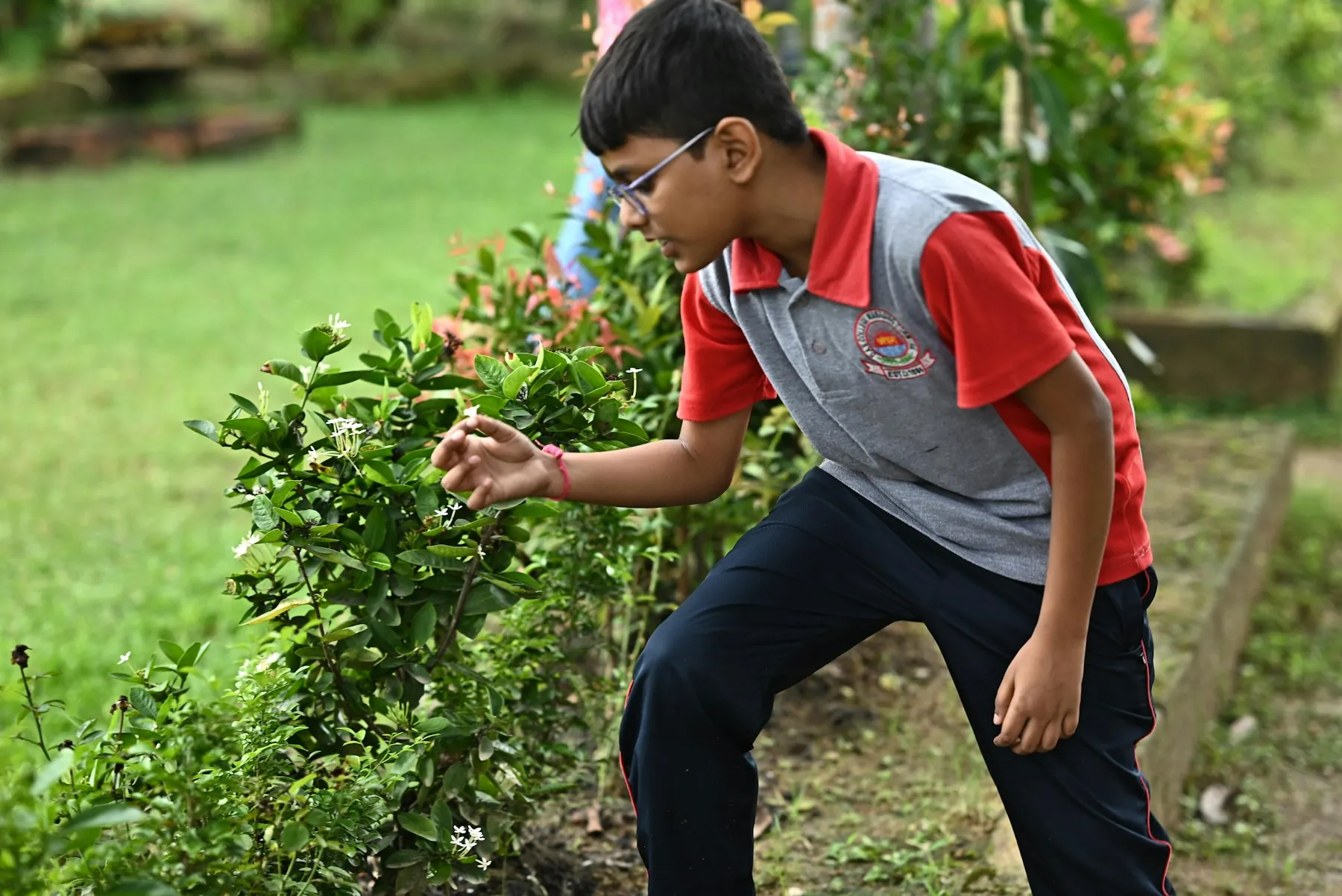
You have a garden. Teach agriculture outdoors, but keep the tools in the skill lab.
You have a makerspace. It may be able to become your skill lab, if it meets CBSE's specifications.
What to do this term
- Name a skill coordinator to own the project.
- Choose three or more subjects, one from each kind of work.
- Pick the room and list the building work: sockets, flooring, ventilation, a sink.
- List the spaces you already have and which subjects each can host.
- Plan the furniture and the safety corner.
- Buy equipment for your chosen subjects only.
- Choose and train teachers, and put 110 hours a year into the Class 6–10 timetable.
- Start the records: an inventory register, a safety drill log and a lab timetable.
- Plan your first Kaushal Mela.
Download the one-page checklist (PDF)
How Cretile can help
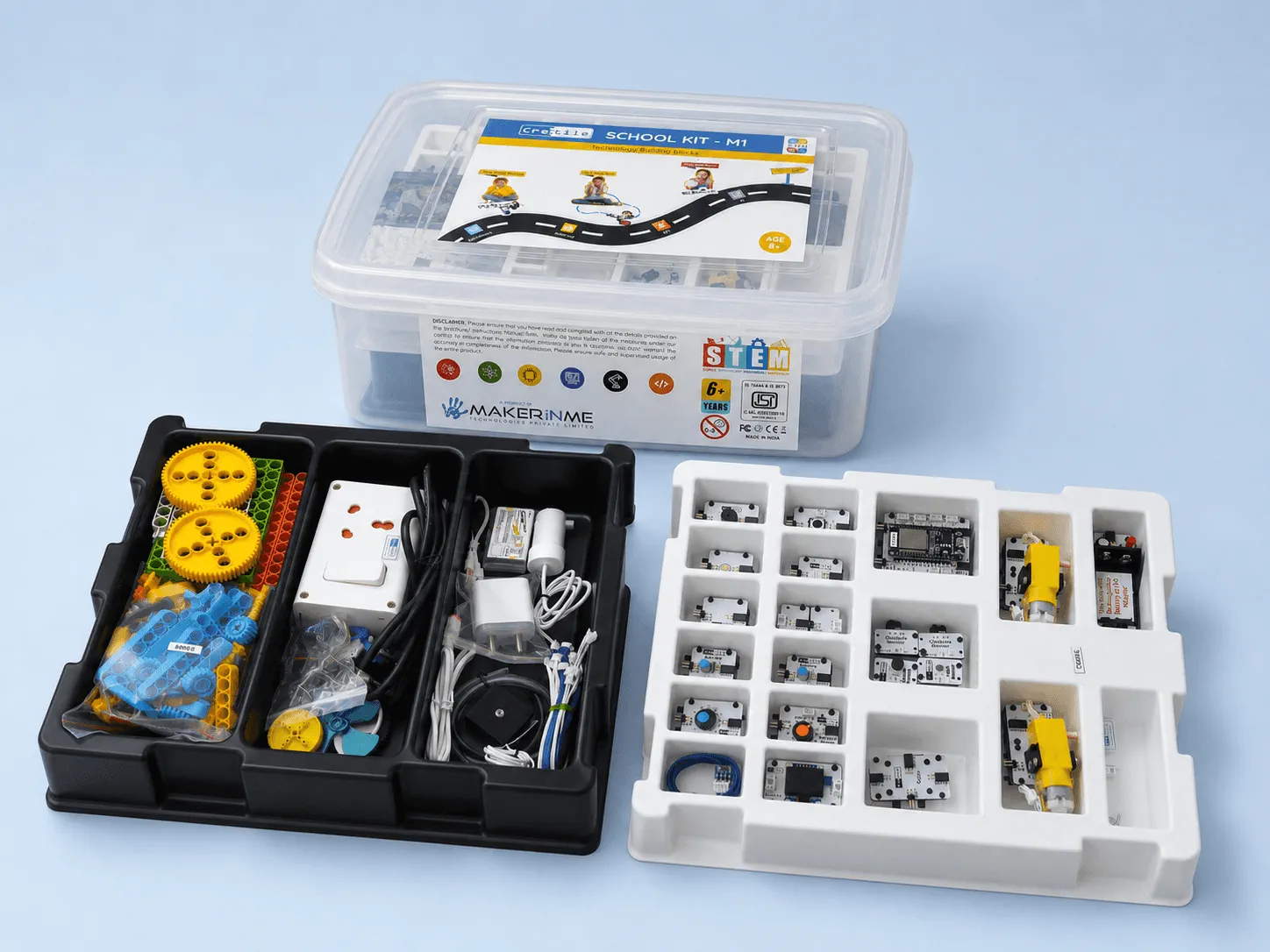
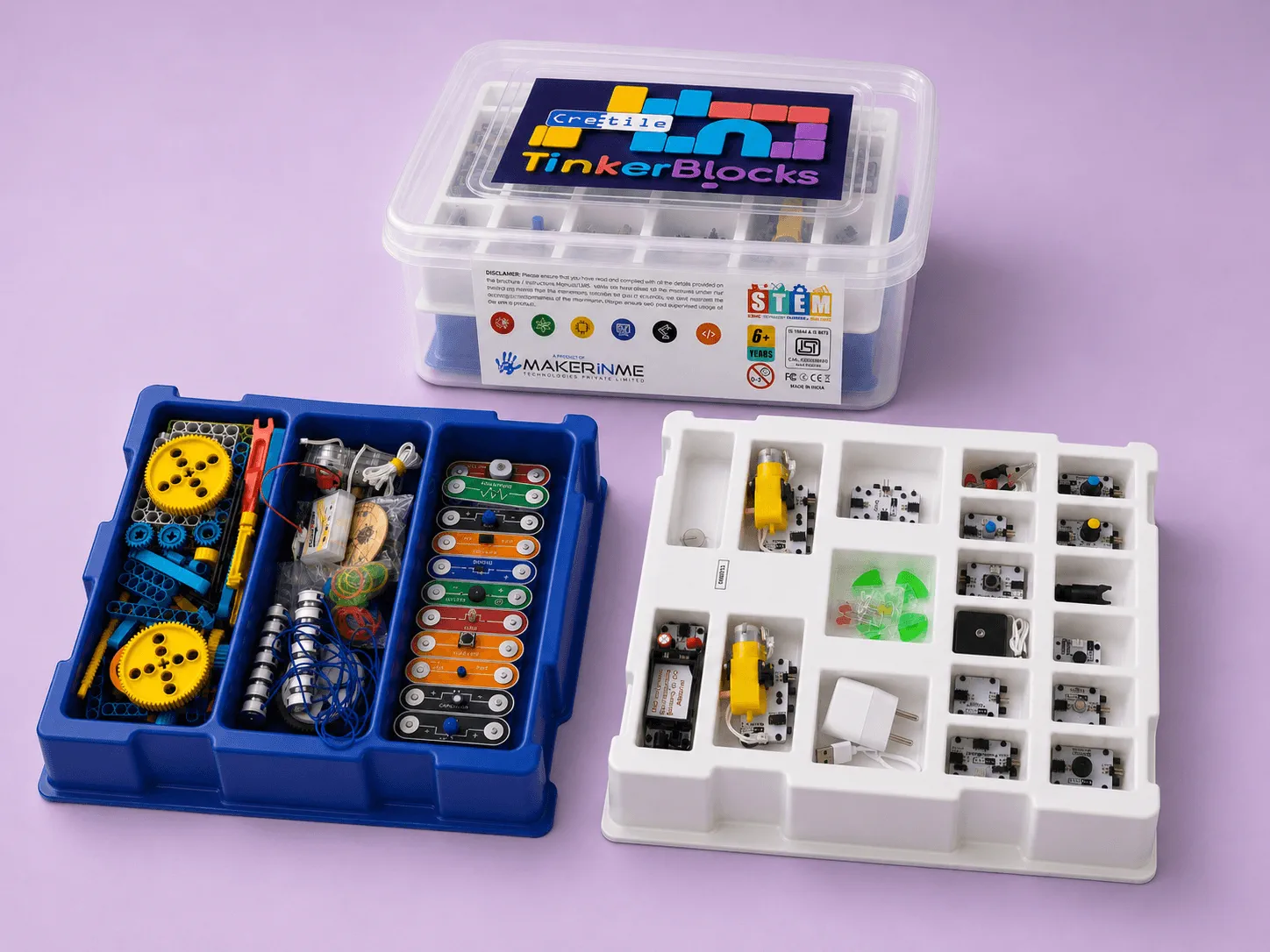
We supply six subjects that cover all three kinds of work: Agriculture & Gardening and Food Production, Coding & Robotics and IT/ITeS (Python), and Retail and Finance. For each, you get the tools, equipment and consumables, a printed teacher guide, and a curriculum for Class 6–8 and Class 9–10. Your teachers get 3 to 5 days of training, depending on the size of the order.
We don't supply furniture, computers, or building and electrical work yet, so plan those separately. Since 2016, we've trained 10,000+ teachers and implemented 2,000+ Atal Tinkering Labs.
For edtech companies and education partners: every CBSE school needs this lab by the same date. Whitelabelling is available. Talk to us.
FAQ
Is the Composite Skill Lab mandatory for all CBSE schools? Yes. It's mandatory for new affiliation, and schools already affiliated must set one up by 22 August 2027 (Circulars Skill-75/2024 and Skill-13/2026).
What is the minimum size of a Composite Skill Lab? One room of at least 600 sq ft for Class 6–12, or two rooms of at least 400 sq ft each: one for Class 6–10 and one for Class 11–12.
How many skill subjects must the lab support? CBSE recommends at least three, covering all three forms of work: living things, machines and materials, and people.
How much does a Composite Skill Lab cost? CBSE estimates about ₹3–6 lakh, depending on the subjects, room size and furniture. The figure is a suggestion, not a fixed price.
Can an Atal Tinkering Lab be converted into a Composite Skill Lab? No. An ATL can be used to teach one form of work, such as robotics, but it can't be converted, because it's government-funded for a specific purpose.
How many hours of skill education are required? 110 hours a year for Class 6–10.
Where can I find the CBSE Composite Skill Lab guidelines PDF? CBSE's circular links it at cbseacademic.nic.in, but the link wasn't working when we last checked (15 October 2026). The circulars themselves are online: Skill-75/2024 and Skill-13/2026.
Sources
- CBSE Circular Skill-75/2024, 23 August 2024: the requirement, the room size, and the rule for new affiliation.
- CBSE Circular Skill-13/2026, 20 March 2026: the 22 August 2027 date, and tool lists as "suggestive".
- CBSE Circular Skill-01/2025: skill subjects on offer and the OASIS form.
- CBSE, Guidelines for setting up Composite Skill Lab in Schools (71 pages). The official link wasn't working on 15 October 2026, so we read a publicly shared copy that matches both circulars. Page references: forms of work p.3; projects by class pp.5–7; five parts of skill education and the cost estimate p.9; room size, batch size and subjects p.10; room set-up pp.19–20; furniture and safety pp.20–27 and 33–35; AI p.40 and p.63; existing labs p.41; computer lab p.57.